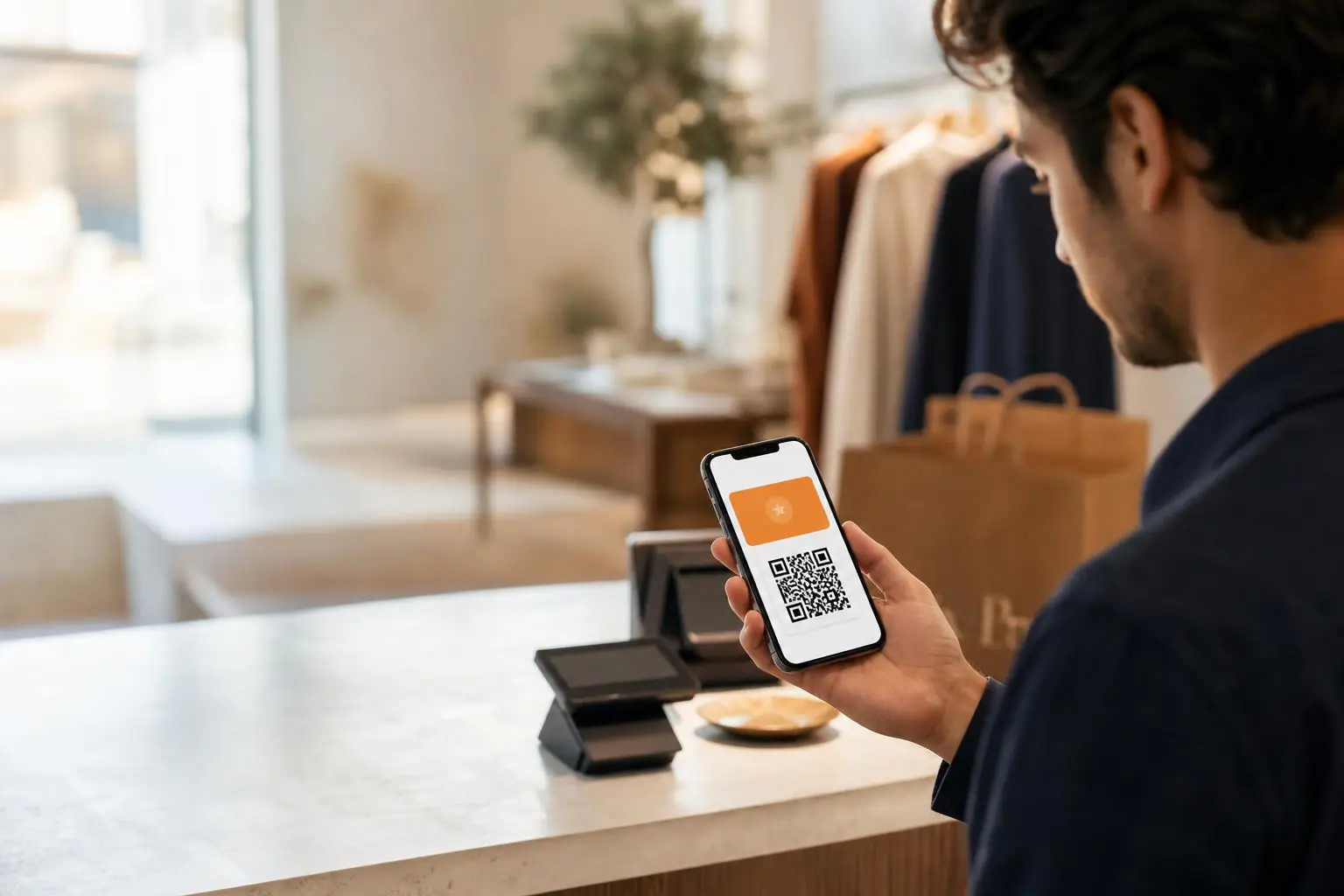

Referral marketing is a structured program that encourages existing customers to recommend a brand to people they know, then tracks and rewards qualified actions such as a first purchase. It turns customer advocacy into a measurable acquisition channel while keeping the trust that makes a personal recommendation matter.
For ecommerce teams, a referral program gives customers a simple reason to share, gives friends a clear reason to try the brand, and gives marketers visibility into what drove each conversion. It is an acquisition program with creative, economics, attribution, and fraud controls behind it.
Talkable has helped thousands of brands drive more than $3B in referral revenue, with an average ROI of 11x. Its fraud prevention tools have prevented more than $110M in fraud.

What is referral marketing?
Referral marketing asks happy customers to introduce a brand to friends, family, or peers. In exchange, the advocate, the new customer, or both receive a reward after a defined qualifying event.
A typical ecommerce offer is simple: give a friend $20 off their first order and get $20 when they buy. Behind that experience sits a program that creates unique sharing links, recognizes eligible purchases, applies rewards, and prevents abuse.
Referral marketing vs. word-of-mouth and affiliate marketing
Word-of-mouth is the often unprompted act of people talking about a brand. Referral marketing is a deliberate, trackable way to encourage that behavior. It gives advocates a shareable link or code, presents a defined offer to the friend, and connects a completed order back to the referral.
Affiliate marketing typically pays publishers, creators, or media partners for promoting a brand to their audience. Referral marketing is generally customer-led. The advocate shares with people they already know, and the reward is often a customer benefit such as credit, a discount, or a free product.
Why referral marketing matters for ecommerce
- It builds on existing customer trust. A recommendation from someone a shopper knows can cut through a crowded acquisition environment.
- It creates a measurable acquisition path. Unique links and codes connect advocates, friends, orders, and rewards.
- It can improve acquisition economics. Brands can align rewards with completed, eligible purchases rather than paying only for attention.
- It gives loyal customers a meaningful role. Advocates get a practical way to share a product they already enjoy.

How a referral program works
- A customer sees an invitation to refer. This may appear after purchase, in an email, in an account area, or through a wallet pass.
- The advocate shares a unique link or code. They send it through text, email, or social messaging.
- A friend receives an introductory offer. The offer should be clear, easy to redeem, and limited to eligible new customers.
- The friend completes a qualifying action. For most ecommerce programs, this is a first purchase that meets stated order and eligibility requirements.
- The program validates the transaction and delivers the reward. It checks that the order is legitimate and satisfies the reward rules.
Explore Talkable’s referral program platform and referral marketing campaigns.
How to build a referral marketing program
Define the business goal
Start with the outcome you need, not the reward you want to give away. You may be trying to acquire first-time customers, grow a category, increase repeat purchases, or reach a new audience. Choose one primary goal and define the metrics that show whether the program is working.
Choose the right advocate audience
Start with customers who have had a good experience and enough familiarity with the product to recommend it credibly. Purchase history, engagement, loyalty status, product category, and time since delivery can all shape that audience.
Set qualification rules before launch
Decide what makes a referral eligible: new-customer status, minimum order value, eligible products, excluded promotions, a return window, and limits on how often rewards can be earned. Clear rules protect both the brand and the customer experience.
Design the advocate and friend experience
Keep it direct. Advocates should understand what they are giving, what they receive, and when they receive it. Friends should land on an offer that answers the same questions without making them hunt for details.
Practical referral reward design
The best reward is not necessarily the biggest one. It should be compelling to customers, workable within your margin, easy to explain, and aligned with the action you want to encourage.
- Double-sided offer: Both the advocate and friend receive a benefit.
- Advocate-only reward: The customer earns credit, a discount, or a gift after a friend buys.
- Friend-only offer: The advocate shares an exclusive deal without expecting a personal reward.
- Free product or gift: A product-based reward can feel more distinctive than a percentage-off offer.
- Tiered reward: The reward increases after multiple successful referrals.
Where to promote a referral program
- Post-purchase and order confirmation: Reach customers when they are excited about their purchase.
- Delivery and post-delivery messages: Invite sharing after customers have had time to experience the product.
- Customer account pages: Give advocates a persistent place to find their link, track rewards, and share again.
- Email and SMS: Use lifecycle messages to reach high-intent customers with a focused invitation.
- On-site placements: Feature referral without overwhelming the shopping journey.
How to measure referral marketing performance
- Advocate participation rate: the percentage of eligible customers who join or share.
- Share-to-click rate: whether advocates’ messages prompt friends to engage.
- Click-to-conversion rate: how effectively the friend offer and landing experience turn interest into a first order.
- Qualified referral orders and referral revenue: purchases that meet stated eligibility requirements and the revenue they generate.
- Cost per acquired customer: reward and program cost relative to new customers generated.
- Customer quality: repeat purchase behavior, retention, and value of referred customers over time.
Fraud prevention is part of referral program design
Referral incentives can attract abuse without safeguards. Common risks include self-referrals, duplicate accounts, shared devices or payment methods, coupon misuse, and orders created mainly to trigger a reward. Good fraud prevention identifies suspicious patterns, validates qualified orders, and keeps rewards from going to ineligible activity.
Referral marketing FAQs
What is an example of referral marketing?
An existing customer gets a unique link that gives a friend $20 off a first order. Once the friend completes an eligible purchase, the customer receives $20 in store credit.
Is referral marketing the same as affiliate marketing?
No. Referral marketing is usually customer-to-friend advocacy with customer-focused rewards. Affiliate marketing typically involves publishers or creators who earn commission for promotion.
What makes a referral program successful?
A clear offer, a product customers want to recommend, simple sharing, promotion at the right moments, reliable attribution, and fraud controls.
When should an ecommerce brand ask for a referral?
Ask after a positive customer moment: purchase confirmation, delivery, a favorable review, a repeat order, or a loyalty milestone.
Build a referral program that earns its place in your marketing mix
Referral marketing works best when it respects the customer relationship and meets the same performance standards as every other acquisition channel. Talk with a referral expert to explore how Talkable can help your ecommerce brand launch, manage, and optimize a referral program.