
The Customers You Rent Are Not the Same as the Customers You Own
TikTok Shop, Amazon, paid social, creator storefronts, affiliate links, and retail marketplaces can all create demand. They are good at discovery. They are not always good at giving a brand a durable customer relationship.
That distinction matters.
A marketplace order can look like growth while still leaving the brand with a thin relationship: limited direct communication, limited identity, limited post-purchase education, and limited ability to bring the buyer back without paying the platform again. Paid traffic has a similar problem. You can win the click, win the order, and still lose the long-term customer if the next touchpoint belongs to the ad auction.
The goal is not to walk away from paid media or marketplaces. The goal is to stop treating them as the end of the customer journey.
Referral marketing can do more than generate friend offers. Used well, it becomes an ownership layer that turns high-intent visitors, TikTok Shop buyers, marketplace customers, creator-driven traffic, and paid visitors into people your brand can recognize, message, segment, reward, and retain.
That takes a broader campaign strategy than the default “Give $20, get $20” widget.
It means using referral infrastructure for:
- Post-purchase conversion from first order to first owned action
- Sweepstakes and giveaway entry
- Email and SMS lead capture
- Friend-share links that move off-platform traffic into your CRM
- Dashboard and wallet placements that keep the relationship alive
- Campaign testing by source, audience, offer, and placement
In other words, the referral platform should not only ask customers to refer. It should help the brand capture the relationship while customer intent is still warm.
A marketplace can create the transaction. Your owned channels create the next one.
Why This Is Urgent Now
Marketplaces and social commerce channels are building their own retention tools. TikTok Shop’s Seller Academy describes its CRM feature as a way for sellers to send personalized email or chat messages, use pre-built segments, trigger abandoned-cart and repeat-purchase campaigns, and track GMV from CRM messages.
That is useful for sellers, but it also proves the broader point: platforms know the customer relationship is where the margin sits.
Shopify frames direct-to-consumer commerce around control: direct access to customer insights, first-party data, and the ability to manage the experience from discovery through post-purchase engagement. That is the advantage brands are trying to protect when they invest in owned ecommerce, email, SMS, loyalty, and referrals.
The challenge is that modern discovery often happens somewhere else:
- A shopper sees a creator video and buys through TikTok Shop
- A paid social visitor hits a PDP, browses, and leaves
- A marketplace buyer never visits the brand site
- A discount shopper clicks through an affiliate deal
- A retail customer buys in-store and disappears
Most brands respond by spending more money to reacquire those same people. That is expensive, and it gives the platforms too much control.
The better move is to build conversion points that invite visitors and buyers into a direct relationship before attention fades.
The Old Referral Playbook Is Too Narrow
Most ecommerce referral programs are built around one moment: after someone buys, ask them to share a coupon with a friend.
That still works. It is also only one campaign type.
The brands getting more out of referral are treating it like a flexible campaign engine. They launch different campaign surfaces for different jobs:
- A post-purchase campaign captures the buyer while intent and satisfaction are high
- A floating widget catches paid visitors and product browsers who have not bought yet
- A standalone landing page gives creators, marketplace inserts, QR codes, and TikTok bios a direct destination
- An account dashboard gives existing customers a place to return, share, and track rewards
- An email capture popup gives anonymous visitors a lower-friction entry point than purchase
- A sweepstakes gives marketplace and paid visitors a reason to identify themselves even before they are ready to buy
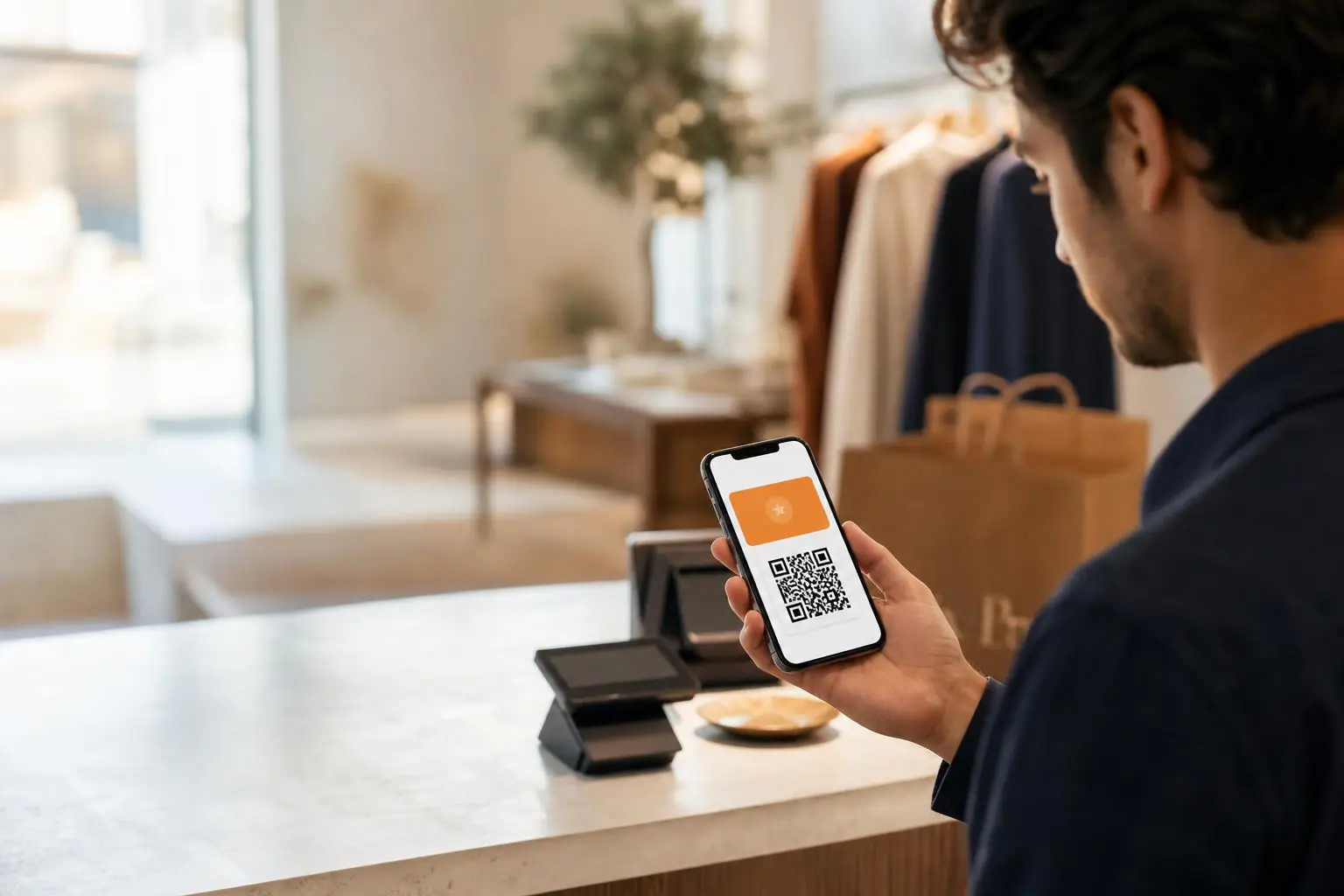
- A wallet pass keeps the offer close after the browser session ends
Talkable’s own campaign taxonomy supports this wider view: post-purchase campaigns, multi-offer promotions, on-site targeting, tiered rewards, influencer campaigns, leaderboards, sweepstakes and giveaway campaigns, product sharing, drop-a-hint, quizzes, surveys, rebates, friends-and-family campaigns, wallet-style retention, and more.
That is important because the owned-customer problem is not solved by one widget. It is solved by a campaign system.
The Marketplace-to-Owned Customer Loop
Here is the operating model I would use for a brand getting meaningful traffic from TikTok Shop, paid social, Amazon, or other marketplaces.
1. Give Every Non-Owned Channel a Direct Landing Path
Do not send every off-platform visitor to a generic homepage.
Give each source a campaign-specific destination:
- TikTok Shop package insert: “Enter our monthly giveaway and get early access to drops”
- Creator bio link: “Get your private offer and share it with a friend”
- Paid social traffic: “Join the list, get the launch offer, earn extra entries by sharing”
- Marketplace insert: “Register your purchase and get a friend offer”
- Retail QR code: “Get your care guide, warranty reminder, and referral credit”
This is where a standalone referral landing page is more useful than a simple discount popup. It can collect identity, issue a share link, explain the offer, segment the customer, and feed the CRM.
The point is not to bribe every visitor. The point is to give visitors a reason to step into a channel the brand controls.
2. Use Sweepstakes When the Visitor Is Not Ready to Refer
A classic referral offer assumes the visitor already has enough brand trust to share. A marketplace visitor may not. A first-time TikTok Shop buyer may still be evaluating the product. A paid visitor might be curious, but not ready to buy.
That is where sweepstakes are useful.
Tremendous notes that sweepstakes can grow email lists quickly because they combine urgency, prize value, and scarcity. It also points out the compliance baseline: a sweepstakes generally needs a no-purchase entry method and a random winner, because requiring purchase turns the promotion into a legal problem.
Sweepstakes work especially well as a bridge between discovery and ownership:
- The prize creates the reason to enter
- The entry captures email or SMS consent
- The share link creates a referral loop
- Bonus entries reward the behaviors the brand wants
- Post-entry follow-up turns entrants into buyers
- Referral analytics show which sources and advocates are driving qualified demand
KickoffLabs describes this model as entrants receiving a personal share link and earning bonus entries for referrals, SMS opt-ins, social actions, purchases, or other actions. That is the same strategic shape ecommerce brands should be thinking about inside a referral platform.
Talkable can support this idea because the platform already has sweepstakes and giveaway campaign types, standalone pages, widgets, post-purchase placements, campaign tags, offer logic, fraud controls, and testing infrastructure.
A sweepstakes is not just a list-growth tactic. It is a way to turn anonymous demand into identified demand.
3. Put Lead Entry Before Referral When Needed
Not every visitor deserves the same ask.
If someone just bought from the brand site, a referral offer makes sense. If someone arrives from TikTok, watches a product demo, and is still deciding, a lighter entry may perform better.
This is where email capture and lead-entry campaigns fit:
- First-time visitor popup: collect email with a relevant offer, quiz, giveaway, or early-access promise
- Product-page widget: invite the visitor to send themselves the offer or share the product
- Exit-intent campaign: offer giveaway entry instead of a discount race to the bottom
- Post-purchase capture: get marketplace-driven buyers to register, subscribe, or claim a reward
- Account dashboard: let existing customers keep sharing and earning after the first purchase
In Talkable admin, Email Capture appears as a first-class campaign preset. I found examples of first-time visitor email capture popups and successful-purchase email capture placements. That matters because the owned-customer strategy should not force referral behavior too early. Sometimes the first win is simply identifying the visitor and getting permission to continue the conversation.
Once the visitor is known, referral can come later through email, SMS, post-purchase, wallet, account, and dashboard placements.
4. Create a Campaign Family, Not a One-Off Campaign
The strongest pattern I found in Talkable admin was not a single campaign. It was campaign families.
Examples:
- Baby Brezza had sweepstakes variants across post-purchase, floating widget, standalone landing page, mobile standalone, and account dashboard placements.
- TREW Gear had a May sweepstakes structure across Shopify post-purchase, account dashboard, and standalone invite placements.
- Malwarebytes had Password Day sweepstakes variants with email-gating language across floating widget and standalone placements.
- Bear Mattress had a sweeps offer test using a standalone landing page and Visa reward tagging.
That is the right mental model.
A marketplace-to-owned-customer strategy should usually have multiple placements working together:
- Standalone campaign page for TikTok bios, QR codes, package inserts, influencer traffic, and marketplace inserts
- Post-purchase placement for brand-site buyers and Shopify checkout flows
- Floating widget for paid visitors and product browsers
- Account dashboard for existing customers who already trust the brand
- Email or SMS follow-up for entrants who have not purchased
- Wallet or saved offer layer for people who need a reminder outside the inbox
Each placement can use the same campaign theme, but the ask should match the moment.
For example:
- TikTok visitor: “Enter to win the bundle. Share for extra entries.”
- New buyer: “Give a friend 25% off. You are entered again when they claim.”
- Existing customer: “Share from your dashboard and track your entries.”
- Paid visitor: “Get the guide, claim the offer, and enter the giveaway.”
- Marketplace buyer: “Register your purchase and get your private share link.”
Same campaign. Different job.
Five Campaign Ideas for Turning Marketplace Demand Into Owned Customers
1. The TikTok Shop Buyer Welcome Loop
Use inserts, order follow-up, creator links, and QR codes to bring TikTok Shop buyers to a standalone Talkable campaign page.
The page should:
- Confirm the buyer is in the right place
- Offer giveaway entry, product education, or VIP access
- Collect email or SMS consent
- Issue a personal share link
- Reward friend claims, not just shares
- Push the buyer into a welcome sequence
Do not make this feel like a generic newsletter signup. Tie it to the reason they bought: care tips, refills, accessories, product registration, community access, warranty reminders, or early access to the next drop.
2. The Paid Visitor Save-and-Share Offer
Paid visitors often need more than one visit. Instead of only showing a discount popup, use a referral-powered capture flow.
Offer options:
- “Send me this offer”
- “Enter to win the starter kit”
- “Share with a friend and both get the launch offer”
- “Earn bonus entries when a friend signs up”
This gives the brand a measurable middle step between click and purchase. It also prevents the paid session from ending with no owned identifier.
3. The Marketplace Package Insert Sweepstakes
For Amazon, TikTok Shop, Walmart Marketplace, or retail shipments, a QR code can send buyers to a no-purchase-necessary sweepstakes or product registration campaign.
The page can ask for:
- SMS consent
- Product purchased
- Purchase channel
- Friend share intent
- Preferred category or product interest
Then it can trigger:
- A welcome sequence
- A replenishment reminder
- A friend offer
- A post-entry discount
- A loyalty invite
Keep the legal review tight. Sweepstakes need official rules, eligibility terms, random winner selection, and an alternate method of entry when required.
4. The Creator Drop Referral Page
Creator traffic should not always land on a PDP. For launches, drops, and seasonal campaigns, a creator-specific referral landing page can capture the audience even when inventory, timing, or intent is not perfect.
Use:
- Creator-specific landing URLs
- A campaign theme tied to the creator’s audience
- Friend share links
- Bonus-entry mechanics
- Source tags for campaign reporting
- Post-entry email and SMS flows
This gives the brand a way to learn which creators produce owned leads, not only last-click orders.
5. The Account Dashboard Reactivation Campaign
Owned customers should not need to wait for a post-purchase popup to refer.
Use account dashboards to give customers a persistent place to:
- Copy their link
- Track rewards or entries
- See limited-time campaign themes
- Join a leaderboard
- Claim wallet passes
- Share seasonal offers
The admin examples around sweepstakes dashboards are useful because they show how referral can move from a one-time prompt into an always-available customer action.
What to Test
This strategy has a lot of moving parts, but the tests are straightforward.
Test the entry point:
- Sweepstakes entry
- Private discount
- Early access
- Product registration
- Referral offer
- Wallet save
Test the placement:
- Standalone landing page
- Floating widget
- Post-purchase
- Account dashboard
- Email capture
- Mobile-specific invite page
Test the audience:
- TikTok Shop buyers
- Paid social visitors
- Marketplace buyers
- Creator traffic
- Repeat customers
- Lapsed buyers
Test the reward:
- Coupon
- Gift card
- Prize entry
- Tiered reward
- Friend-only offer
- Advocate-only reward
Test the follow-up:
- Immediate post-entry discount
- Welcome sequence
- Referral reminder
- Wallet pass
- Product education
- Replenishment reminder
The goal is not to find one universal campaign. The goal is to understand which campaign turns rented attention into owned demand at the best cost.
Measurement: What “Owned Customer” Should Mean
Do not measure this only by referral revenue.
For marketplace and paid traffic, measure each step of ownership:
- Anonymous visitor to identified lead
- Lead to first purchase
- Marketplace buyer to email/SMS subscriber
- Subscriber to friend share
- Friend click to claimed offer
- Claimed offer to purchase
- Entrant to repeat buyer
- Advocate to repeat advocate
- Paid visitor CAC before and after owned capture
The campaign can still produce referred revenue, but that is not the only value. The brand is also building a list, enriching customer profiles, improving segmentation, and creating lower-cost ways to reach the customer again.
That is why referral data should connect back into the CRM, email/SMS tools, ecommerce platform, analytics stack, and paid media audiences.
Compliance and Brand Trust
Sweepstakes and lead capture can be powerful, but sloppy execution creates risk.
Watch for:
- No-purchase-necessary requirements
- Alternate method of entry rules
- State, country, and age eligibility
- Prize disclosures
- Winner selection process
- Fraud prevention
- Privacy consent
- SMS compliance
- Marketplace policy restrictions
- Clear terms around referral rewards
The safest strategy is to build repeatable campaign templates with legal, CRM, creative, and analytics already thought through. Then each new campaign becomes a controlled variation instead of a one-off scramble.
The Referral Platform Becomes the Ownership Layer
The obvious referral campaign asks a happy customer to bring a friend.
The better referral strategy does more.
It gives paid visitors a reason to identify themselves. It gives TikTok Shop buyers a reason to join the brand’s world. It gives marketplace customers a direct path back to the brand. It turns sweepstakes entrants into subscribers, subscribers into advocates, and advocates into repeat customers.
That is how referral marketing becomes more than an acquisition channel.
It becomes the bridge between rented attention and owned customer relationships.
If your brand is spending heavily on TikTok Shop, marketplaces, creators, affiliates, or paid social, the question is not whether those channels work. The question is whether they are creating customers you can reach again without buying the next click.
Referral marketing, sweepstakes, lead entry, wallet, and campaign testing give you a practical way to answer that question.
And more importantly, they give you a way to improve the answer.
Suggested CTA
Paid and marketplace traffic should not end in a rented relationship. Talkable helps ecommerce teams build referral, sweepstakes, lead capture, wallet, and post-purchase campaigns that turn high-intent traffic into owned customer growth.
CTA: Let’s talk referral revenue
FAQ
Can referral marketing help with TikTok Shop customers?
Yes. TikTok Shop can create discovery and sales, but brands still need a direct path into email, SMS, product education, repeat purchase, and referral. A Talkable landing page, QR code, package insert, creator link, or post-purchase campaign can help move TikTok-driven customers into an owned journey.
Is a sweepstakes better than a referral offer?
Not always. A referral offer is stronger when the customer already has trust and purchase intent. A sweepstakes can be stronger when the visitor is earlier in the journey, coming from paid traffic, social commerce, a creator link, or a marketplace purchase.
What is the best placement for marketplace-to-owned customer campaigns?
Use more than one. Standalone pages work well for QR codes, creator links, package inserts, and TikTok bios. Floating widgets work well for paid visitors. Post-purchase placements work well for brand-site buyers. Account dashboards work well for existing customers.
What should brands collect in a lead-entry campaign?
Start with email or SMS consent, then add only the fields that improve follow-up: product interest, purchase channel, product owned, birthday, replenishment timing, or preferred category. The form should feel useful, not invasive.
How do you avoid low-quality sweepstakes leads?
Use a prize that attracts the right audience, not the broadest audience. Add source tracking, fraud controls, email validation, bonus-entry rules, and post-entry segmentation. Measure downstream purchases and referrals, not just entries.
Can this work without discounts?
Yes. The entry point can be early access, a product bundle, a grand prize, a creator drop, warranty registration, a care guide, community access, or bonus entries. Discounts are useful, but they are not the only reason someone will identify themselves.
What makes Talkable different from a generic giveaway tool?
Talkable can connect the giveaway, referral link, friend offer, post-purchase placement, dashboard, wallet, offer logic, fraud controls, reporting, and managed optimization into one campaign system. That matters when the goal is owned customer growth, not just a temporary list spike.
Ready to turn rented traffic into owned customers?
Talkable helps ecommerce teams build referral, sweepstakes, lead capture, wallet, and post-purchase campaigns that turn high-intent traffic into owned customer growth.