
Subscription brands live in a weird little tension.
You need new subscribers, obviously. But the business only gets good when those subscribers stick, reorder, upgrade, pause instead of cancel, and bring in the next good customer. That is where referral gets interesting.
For subscription businesses, referral marketing is not just a cheaper acquisition channel. It can become part of the retention system.
That matters right now because the subscription playbook is changing. Recurly’s 2025 State of Subscriptions data found that subscriber acquisition rates dropped from 4.1% in 2021 to 2.8%, while free-trial conversion fell from 46% to 33%.
Meanwhile, Recurly also reported that 20% of acquisitions came from returning subscribers, and more than $200M came from subscribers who resubscribed after pausing. Brands that offered pause saw 25% of would-be cancellers pause instead.
The best subscription referral programs do not ask who can we bribe to share. They ask where the customer is already happy enough to bring someone else in.
Subscriber acquisition rate in Recurly’s 2025 report.
Free-trial conversion in the same Recurly report.
Of acquisitions were returning subscribers, according to Recurly.
Talkable Average ROI across referral programs for ecommerce brands.
Why subscriptions need a different referral playbook
A one-time purchase brand usually thinks about referral around the transaction: buy, share, reward, repeat if we are lucky.
A subscription brand has more chances to earn the ask. The first box. The second shipment. A replenishment reminder. A loyalty credit. A surprise-and-delight moment. A save offer. A win-back campaign. A birthday gift. A membership milestone.
That gives subscription brands more surface area, but also more ways to get it wrong. Harvard Business Review covered new research showing that referrals can create more referrals, which is exactly why subscriber quality matters so much.
If the referral offer is too generic, it gets ignored. If the reward hits at the wrong time, it feels disconnected. If the program only measures first purchase, it misses the bigger subscription value. If fraud controls are weak, the economics get noisy fast.
How Talkable works with subscription brands
Talkable builds and manages referral programs for ecommerce brands that care about revenue quality, not vanity sharing. For subscription brands, that usually means five practical things.
- Lifecycle placement: Referral prompts appear after high-satisfaction actions.
- Reward design: Give/get offers can use discounts, store credit, product credits, free boxes, bundles, perks, or loyalty-style points.
- Subscriber segmentation: New subscribers, loyal members, paused customers, VIPs, gift buyers, and win-back audiences should not all see the same ask.
- Fraud control: Subscription referrals need controls for self-referrals, reward abuse, cancellation timing, and suspicious account patterns.
- Managed testing: Offer, timing, copy, creative, landing page, and audience rules should keep changing based on actual subscriber behavior.
Start with subscription economics, not a generic referral offer
Referral rewards are not decoration. They are math.
A consumables brand with high repeat purchase rate can often justify a different reward than a high-ticket box brand with narrow gross margins. A supplement subscription may need compliance-safe reward rules. A pet brand might lean into replenishment and bundles. A beauty subscription can use product discovery and gifting.
A subscription referral program should be judged by subscriber quality. Cheap signups that cancel before the second shipment are not a win. They are a reporting problem with confetti on it.
The moments that matter most
| Subscriber moment | Talkable move | Why it works |
|---|---|---|
| First delivery | Post-delivery referral ask | The brand is fresh and shareable. |
| Second or third shipment | Advocate unlock or higher reward | Repeat behavior is a cleaner quality signal. |
| Pause request | Pause-safe credit or comeback referral | Keeps the customer in the relationship. |
| VIP milestone | Tiered advocate status | Makes advocacy feel earned instead of spammy. |
Referral and retention should talk to each other
Referral data is retention data. If your longest-tenured subscribers are not sharing, the program may be too buried. If first-month subscribers share a lot but referred customers churn quickly, the reward may be attracting the wrong intent. If one product bundle drives better referred subscriber retention, that should change acquisition creative.
Talkable gives subscription teams a cleaner way to connect those dots. The logic lines up with McKinsey’s work on word of mouth: customer-to-customer influence needs to be measured, not hand-waved.
Where Wallet Pass fits for subscription brands
Subscription rewards are tricky because discounting can train customers to wait for deals. A wallet-style reward layer gives brands more room to reward behavior without making every interaction a price cut.
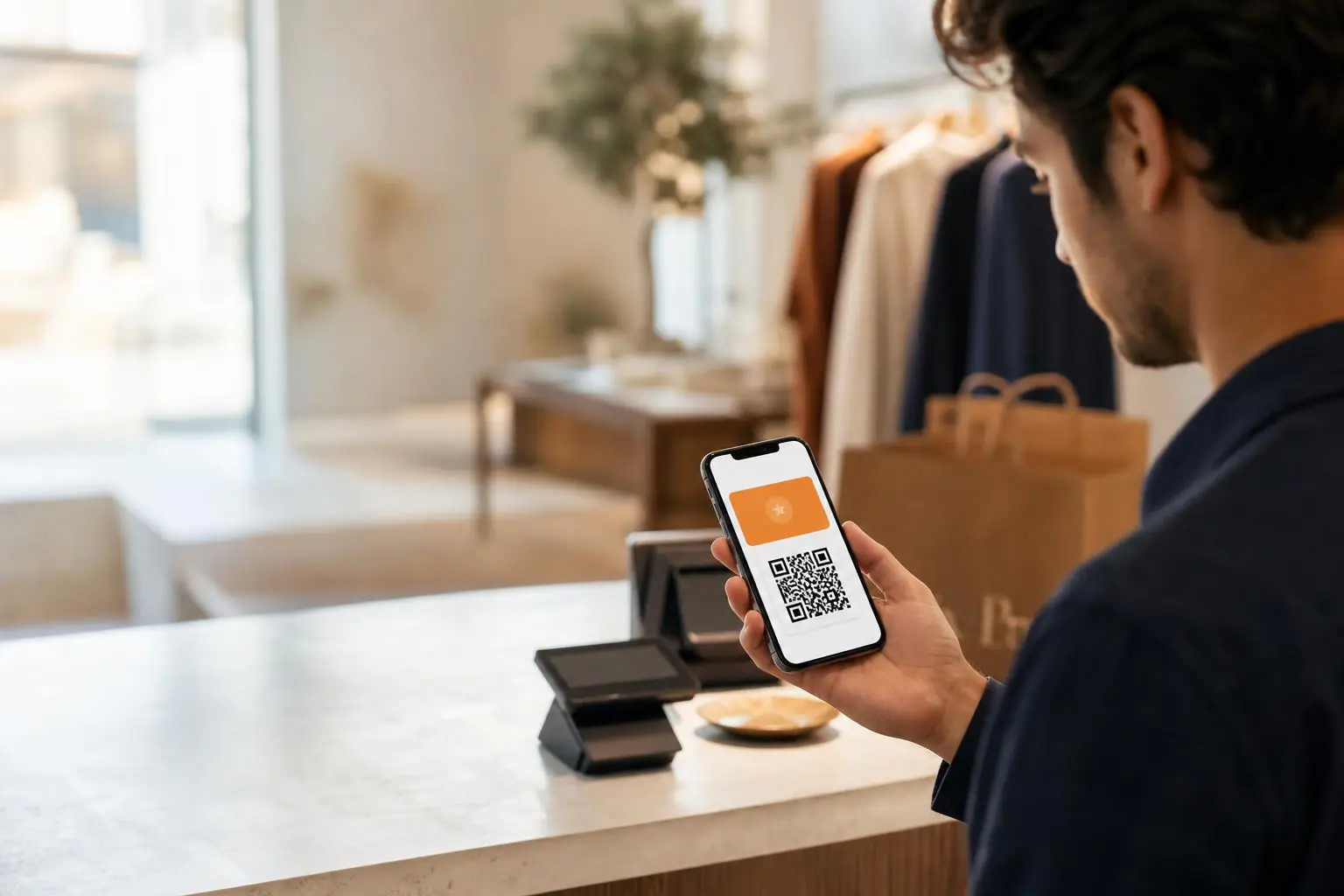
Talkable’s Wallet Pass can support referral credits, loyalty-style perks, and subscriber benefits that stay visible between orders. For subscription brands, that can mean referral credit toward the next shipment, early access, member-only perks, birthday rewards, pause-safe balances, or status-based advocate rewards.
What Talkable can plug into
Most subscription teams already have a stack. Talkable is meant to fit into that stack, not replace the entire operating system. It can connect with subscription events, order behavior, customer status, email and SMS flows, ecommerce checkout, account pages, analytics, and reporting.
A better referral offer by subscription category
| Category | Stronger Talkable angle |
|---|---|
| Beauty | Product discovery credit or friend starter kit. |
| Supplements | Compliance-safe advocacy and reorder credit. |
| Pet | Next shipment credit or bundle upgrade. |
| Food and beverage | Shareable first box plus second-order incentive. |
FAQ: subscription referral programs
What makes subscription referral different from regular ecommerce referral?
Subscription referral needs to account for repeat purchase, churn, pause behavior, reward timing, and subscriber quality. First order revenue is only part of the story.
When should a subscription brand ask for a referral?
The best asks usually happen after positive lifecycle moments: first delivery, repeat shipment, product review, loyalty milestone, successful support experience, or a win-back moment.
Should referral rewards be discounts?
Sometimes, but not always. Store credit, product credit, free gifts, early access, member perks, and Wallet Pass rewards can protect margin better than blanket discounts.
What should subscription brands measure?
Measure referred subscriber quality: second-order rate, retention, contribution margin, reward cost, advocate repeat sharing, fraud rate, and revenue by cohort.
Bottom line
Subscription brands do not need another generic acquisition hack. They need a way to turn happy subscribers into a durable source of better subscribers.
That takes more than a referral landing page. It takes lifecycle timing, clean economics, thoughtful rewards, fraud controls, and ongoing testing. It takes a program that understands the difference between a cheap signup and a subscriber who actually sticks.
Build the program around subscriber quality