
The Shopify dashboards are glowing. The Slack channels are full of celebration emojis. Revenue numbers are being screenshot and shared. BFCM is officially in the books.
But here’s the uncomfortable truth: you have no idea if you won yet.
The real BFCM scoreboard won’t be visible until mid-January. And most brands aren’t even tracking the number that matters.
The 45-Day Window
Right now, you’re sitting in the most critical period of the entire ecommerce calendar. Not BFCM itself. The 45 days after.
Customers who make a second purchase within 45 days of their first generate 3x more lifetime value than those who don’t. That’s not a marginal improvement. That’s the difference between a customer who contributes $50 to your business and one who contributes $150.
The flip side is brutal: BFCM customers who don’t make a second purchase within that window have an 80% churn rate. They came for the deal. They got the deal. They’re gone.
Every single day that passes without a second purchase or meaningful engagement, that customer drifts further toward the 80%. And you just paid good money to acquire them.
Second Purchase Rate: The Metric That Actually Matters
Let’s play out two scenarios.
Brand A had a $10 million BFCM. Huge numbers. The team is thrilled. But their second purchase rate among BFCM customers sits at 12%. That means 88% of those customers will likely never return. They acquired a massive list of one-time buyers. Expensive one-time buyers.
Brand B had a $4 million BFCM. More modest. But their second purchase rate is 32%. A third of those customers will become repeat buyers, and repeat buyers become referrers, and referrers bring in new customers at a fraction of paid acquisition costs.
Which brand actually won BFCM?
The obsession with topline revenue during the holiday weekend misses the point entirely. BFCM is an acquisition event. The question isn’t how much you sold. It’s how many of those buyers you can convert into actual customers.
Second purchase rate should be a board-level metric, sitting right alongside CAC and LTV. Because it’s the bridge between the two. High CAC with low second purchase rate means you’re lighting money on fire. High second purchase rate is what makes aggressive acquisition spend justifiable.
The Window Isn’t Just About Transactions
Here’s where it gets more nuanced. The 45-day window isn’t only about getting that second order. It’s about channel transfer.
Think about where your BFCM customers came from. Most arrived through paid channels. Meta ads. Google Shopping. Influencer promos. You paid to rent access to them for a moment. They converted. Great.
But now what? If the only way to reach them again is to pay for another ad impression, you didn’t acquire a customer. You facilitated a transaction. There’s a difference.
The 45-day window is your opportunity to transfer those paid-acquired customers into owned channels. Did you get their email opened and clicked? Did you get them opted into SMS? Did you prompt them to make a referral?
Every owned channel touchpoint reduces your dependency on paid to reach them again. A customer who opens your emails, responds to your texts, and has shared your brand with a friend is fundamentally different from a customer who exists only as a pixel audience for retargeting.
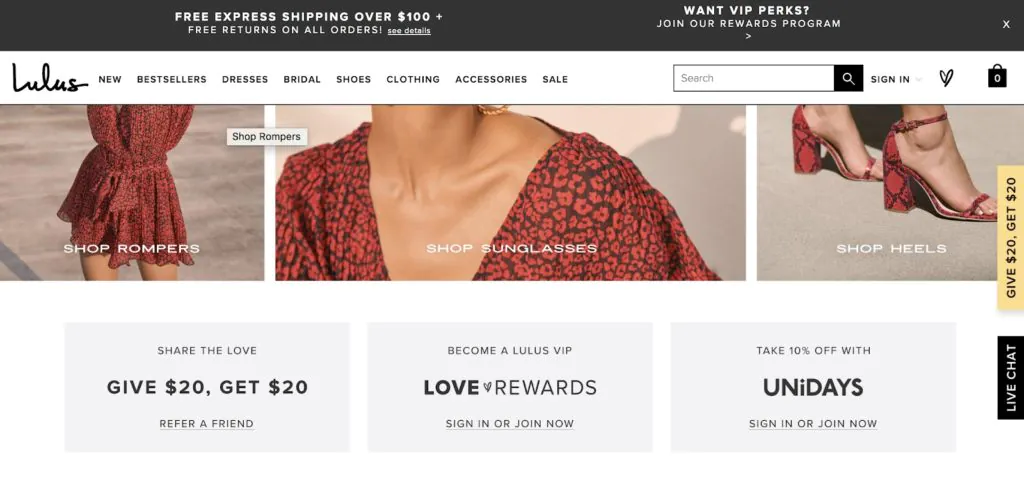
Referral, specifically, is the ultimate channel transfer. When a BFCM customer refers a friend, they’ve graduated from “person you paid to acquire” to “active participant in your growth.” They’re no longer a cost center. They’re a revenue driver.
The Post-BFCM Playbook
So what does this look like in practice?
Week one is about value delivery. Content about how to use what they bought. Care instructions. Styling guides. Recipes. You’re establishing that you’re a resource, not just a store that shows up when you want their wallet. Soft referral prompts work here: “Know someone who’d love this? Share your experience.” No rewards talk yet. Just normalize the sharing behavior while satisfaction is at its peak.
Weeks two and three shift to re-engagement and alternative conversion paths. “Still thinking about these?” emails featuring their browse history items. For customers who aren’t ready to purchase, referral becomes the alternative action: “Not ready to buy? Your friends save 20% when you share.” They might not want to spend, but they might be willing to share.
Weeks four and five introduce urgency. Threshold offers tied to their purchase category. Free shipping. Early access. Exclusive bundles. And for anyone who makes that second purchase, immediate elevation: “You’re officially part of our community.” Second-time buyers are your highest-quality referral sources. Treat them accordingly.
Throughout all of this, every transactional email (order confirmation, shipping notice, delivery confirmation) should include personalized recommendations and a referral link. These emails have 70%+ open rates. Don’t waste prime real estate.
Measuring What Matters
Two numbers to track weekly between now and mid-January:
Your BFCM-to-second-purchase rate. Industry average is 15-25%. If you’re above 30%, you’re building a customer base, not just having a sale. Below 15%, and you need to diagnose what’s breaking in your post-purchase experience.
Your BFCM referral activation rate. Top performers see 8-12% of BFCM customers make at least one referral within 45 days. That’s 8-12% of your BFCM cohort actively working to bring you new customers through owned channels.
The Real BFCM Winners
In six weeks, the actual BFCM results will be clear. Some brands will have successfully converted a surge of deal-seekers into a foundation of repeat customers and brand advocates. Others will be staring at a bloated customer list that’s already churning, preparing to spend even more on paid acquisition to hit Q1 targets.
The revenue you generated on Black Friday weekend was just the entry fee. The 45-day window is where you find out if it was worth it.
The scoreboard that matters isn’t your BFCM revenue. It’s your January second purchase rate. Start tracking it now.
About the Author:
Jeremy Foreshew is a full-stack marketer with deep expertise in customer-led growth. As Head of Marketing at Talkable, he helps DTC and eCommerce brands turn their customers into their most powerful acquisition channel. Jeremy writes about referral strategy, retention, and the future of word-of-mouth marketing. He has been featured in Forbes, TechCrunch, and HuffPost.