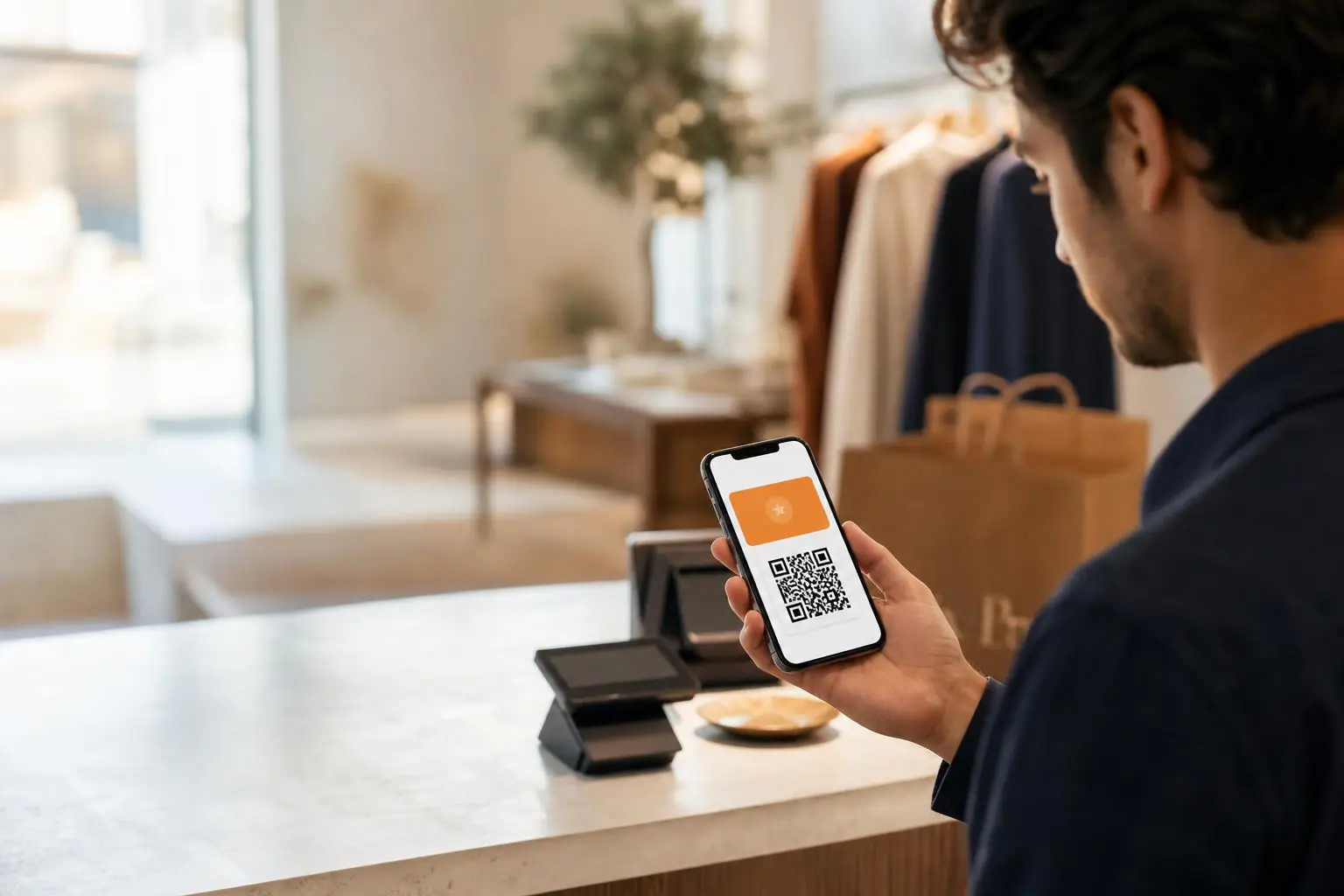

Many brands treat the post-purchase window as a transactional afterthought. A confirmation email here, a shipping notification there, and then silence until the next promotional blast.
That’s a massive missed opportunity.
The post-purchase window is when customers are most emotionally invested in your brand. They just voted with their wallet. Excitement is high, buyer’s remorse hasn’t yet set in, and they’re naturally inclined to talk about what they just bought. If you’re not embedding referral touchpoints throughout this journey, you’re leaving revenue on the table.
Here are eight post-purchase moments where the best Talkable clients are driving referral revenue, along with the best practices that separate high-performers from everyone else.
1. Order Confirmation
The order confirmation email is the most opened email in ecommerce. Your customer is actively looking for it, which means attention is guaranteed. The best practice here isn’t to lead with a referral ask. Instead, keep the primary focus on the order details they’re looking for, then add a subtle, low-pressure referral mention below: “While you wait, share the love with a friend.”
Best practices:
- Keep the referral CTA secondary to the order information. Customers came to confirm their purchase, not to be sold again.
- Use warm, conversational language. This is a moment of excitement, not a moment for aggressive marketing copy.
- Include a one-click share link so there’s zero friction if they do want to share immediately.
- A/B test placement. Some brands see better results with the referral mention above the order summary, others below. Let the data decide.
2. SMS Follow-Up
SMS has the immediacy and intimacy that email can’t match. A well-timed text message between purchase and shipping creates a personal touchpoint that feels like a friend checking in, not a brand broadcasting. The key is timing and tone.
Best practices:
- Send within 24-48 hours of purchase, ideally with a shipping update or order status tied in. Something like: “Your order ships tomorrow. Share it with a friend and you’ll both save.”
- Keep the message under 160 characters when possible. SMS is not the channel for long-form copy.
- Always include a direct link to the referral offer. Every tap matters on mobile.
- Respect opt-in preferences religiously. A single unwanted text can undo weeks of brand goodwill.
3. Shipping Email
Shipping notifications open at 60%+ on average, making them one of the highest-engagement emails you’ll ever send. Customers are tracking their package with anticipation, and that positive emotional state makes them significantly more receptive to sharing. Brands that embed a featured referral offer with a one-click share option in their shipping emails see a 35% jump in referral participation.
Best practices:
- Place the referral offer prominently but don’t let it compete with the tracking information. Customers will scroll past anything that gets between them and their tracking number.
- Use a one-click share mechanic. The fewer steps between “that’s a good deal” and “shared,” the better your conversion rate.
- Personalize the referral message with the product they ordered. “Think your friends would love the [Product Name] too?” outperforms generic copy every time.
- Consider dynamic incentives based on order value. Higher AOV customers may respond to different reward structures.
4. Wallet Pass Push
This is one of the most underutilized referral channels in ecommerce. A wallet pass (Apple Wallet or Google Wallet) puts your referral offer directly on your customer’s phone, where it stays indefinitely and can be updated dynamically. Unlike an email that gets buried or a text that gets deleted, a wallet pass has persistent visibility.
Best practices:
- Trigger the wallet pass save prompt during a high-engagement moment, like the shipping or delivery confirmation.
- Use push notifications strategically. A well-timed reminder when the customer is near a retail location or when their referral offer is about to expire can drive significant action.
- Update the pass dynamically to reflect new promotions, expiring offers, or referral program changes. A static pass gets ignored. A dynamic one keeps working.
- Design the pass with clear branding and a simple, visible referral CTA. Real estate is limited, so every pixel counts.
5. Delivery Confirmation
The moment a customer receives their package is a peak emotional moment. They’re unboxing, they’re excited, and if the product meets or exceeds expectations, they’re primed to share. Delivery confirmation emails with an immediate referral CTA see 40% higher conversion than those that delay the ask by even 24 hours.
Best practices:
- Trigger the referral ask at the moment of confirmed delivery, not hours later. Speed matters here because the emotional peak is brief.
- Lead with excitement, not a sales pitch. “Your [Product] has arrived! Love it? Your friends will too.” feels natural. “Refer a friend for 20% off” in isolation feels transactional.
- Include product imagery in the email. Visual reinforcement of what they just received strengthens the emotional connection and the urge to share.
- Pair the referral CTA with a request for a product review. Customers who leave positive reviews are significantly more likely to also refer.
6. QR Code and Package Insert
Physical touchpoints hit differently than digital ones. A well-designed package insert with a QR code that links directly to the referral offer bridges the gap between the unboxing experience and digital sharing. Brands using QR-enabled package inserts report a 25% lift in post-purchase referrals.
Best practices:
- Design the insert to feel like part of the brand experience, not an afterthought. Premium cardstock, clean design, and concise copy signal that this matters.
- The QR code should link directly to a mobile-optimized referral page or trigger a wallet pass save. Never send customers to a generic homepage.
- Keep the copy on the insert simple and action-oriented. One clear message, one clear CTA.
- Test different insert placements within the packaging. Top-of-box inserts get seen immediately. Inserts tucked next to the product create a discovery moment. Both work, but for different reasons.
7. First Time Product Use
The gap between delivery and first use varies by product category, but the first time a customer actually uses what they bought is another peak referral moment. For skincare, it might be the first application. For apparel, it’s the first time they wear it out. For home goods, it’s the first time guests notice it. This is when the product becomes real to them.
Best practices:
- Time your outreach based on your product category. A supplement brand might trigger at day 3-5 post-delivery. A furniture brand might wait 1-2 weeks.
- Ask about their experience first, then introduce the referral opportunity. “How are you liking your [Product]? If you’re loving it, your friends might too.” This sequence matters because it frames the referral as a natural extension of satisfaction, not a separate ask.
- Use behavioral triggers where possible. If a customer engages with a how-to guide or tutorial, that’s a strong signal they’re actively using the product and may be receptive to a referral prompt.
- Segment by engagement. Customers who’ve opened multiple emails, visited your site post-purchase, or engaged with your content are your warmest referral candidates at this stage.
8. Benefit Realization
This is the long game, and it’s where loyalty programs and referral programs converge. Benefit realization happens when a customer experiences the cumulative value of your product: the skincare routine that cleared their skin, the supplement regimen that improved their energy, the subscription box that consistently delights. At this stage, customers aren’t just satisfied. They’re advocates.
Best practices:
- Identify your product’s typical “benefit realization” timeline through customer feedback, review analysis, and usage data. Build your referral touchpoint around that window.
- Use social proof in your referral ask at this stage. “Join 10,000+ customers who’ve shared [Brand] with friends” reinforces that referring is normal behavior, not a special ask.
- Consider tiered referral rewards for long-term customers. Someone who’s been with you for six months and is seeing real results deserves a different (often better) incentive structure than a first-time buyer.
- This is the ideal moment to introduce ambassador or VIP referral tiers. Customers at the benefit realization stage are your highest-value referral sources and should be treated accordingly.
The Compounding Effect
No single touchpoint in this journey will transform your referral program overnight. The power is in the system. When every post-purchase moment includes a thoughtful, well-timed referral touchpoint, you create multiple opportunities for the same customer to share, and each touchpoint reinforces the last.
The brands seeing the strongest referral performance on Talkable aren’t relying on a single post-purchase email. They’re building a journey that meets customers where they are, when they’re most excited, with the lowest possible friction to share.
Start by auditing your current post-purchase flow against these eight touchpoints. Identify which ones you’re missing entirely, which ones exist but lack a referral component, and which ones could be optimized. Then build from there.
Your customers are already talking about your brand after they buy. The question is whether you’ve made it easy for those conversations to turn into revenue.