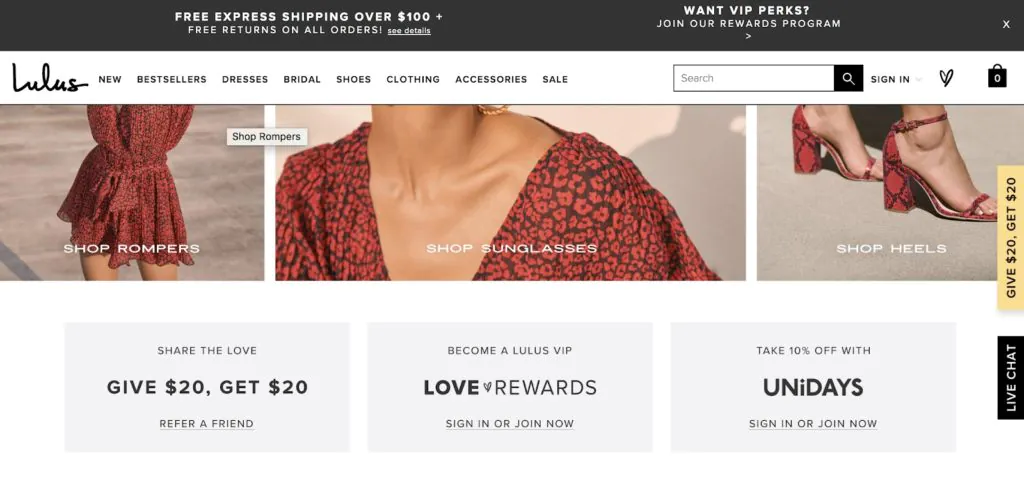

Q4 is the climax of all things ecommerce. Traffic spikes. Conversion rates jump. Revenue pours in. And then January hits. Suddenly, most of that momentum disappears because brands treat holiday shoppers like transactions instead of through the lens of a relationship.
Here’s the shift: Q4 isn’t just about maximizing revenue. It’s about capturing advocates. The customers who buy during the holidays are in a unique mindset. They’re shopping for others. They’re feeling generous. They’re excited. And if you play it right, they’ll keep talking about your brand long after the decorations come down.
This is your playbook for turning holiday traffic into year-round referral velocity.
The gift-giving mindset is a referral accelerant
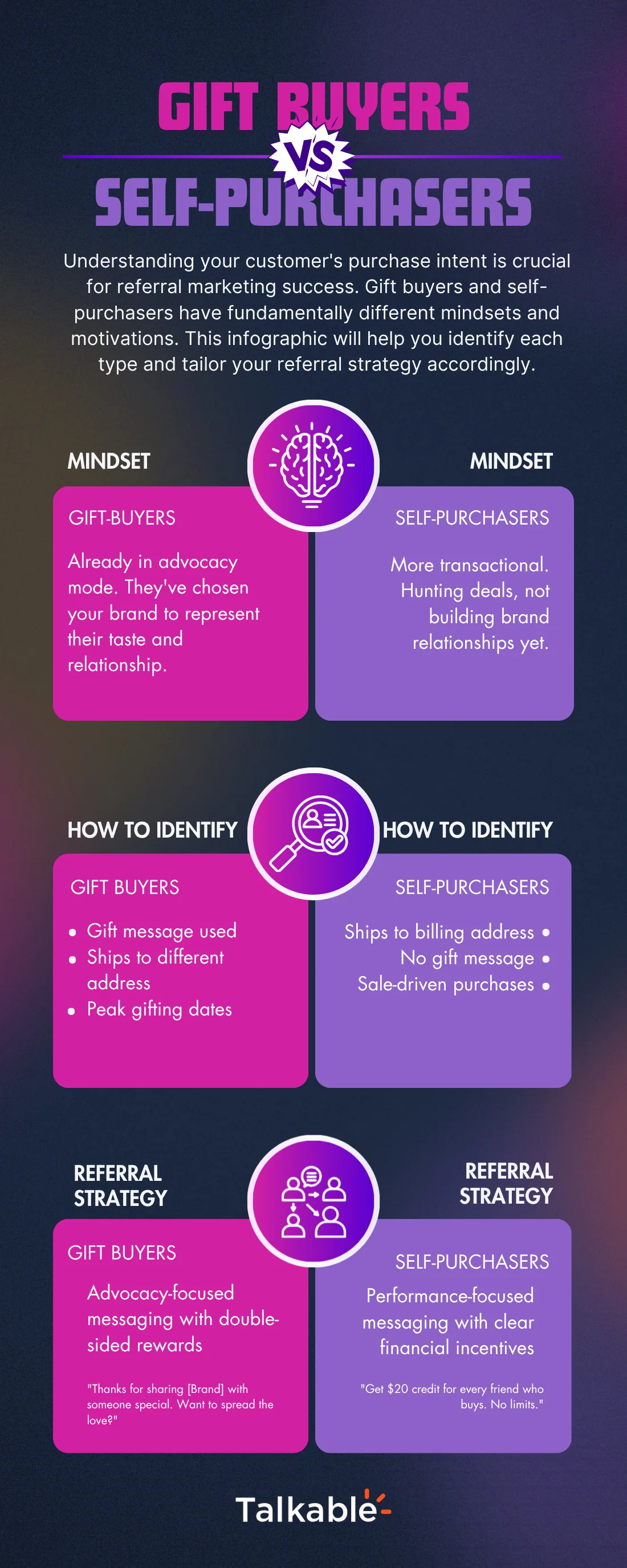
When someone buys a gift, they’re already in advocacy mode. They’ve chosen your product to represent their taste and their relationship with the recipient. That’s trust. That’s an endorsement. That’s a referral waiting to happen.
Yet most brands completely ignore this. They treat gift purchases the same as self-purchases. Same confirmation email. Same follow-up sequence. Same generic referral ask that lands three days after delivery.
Here’s what works: segment gift buyers and treat them differently. If someone uses a gift message, ships to a different address, or buys during peak gifting windows (late November through mid-December), tag them as a gift purchaser.
Then, send them a referral prompt that acknowledges the context. Something like: “Thanks for sharing [Brand] with someone special. Want to spread the love? Give another friend 20% off and get $20 for yourself.”
Timing referral prompts around the holiday calendar
Q4 isn’t one season. It’s a series of peaks: Black Friday, Cyber Monday, last-minute shopping week, and post-Christmas exchanges. Each peak has a different customer mindset, and your referral strategy should reflect that.
For early November shoppers (Black Friday weekend), focus on urgency and double-sided rewards. These customers are deal-hunters. Give them a reason to share that benefits both sides immediately.
For mid-December shoppers (last-minute gifters), emphasize convenience and digital delivery. These customers are stressed. Make sharing easy. Offer instant rewards like e-gift cards that don’t require shipping.
For post-Christmas browsers (gift card redeemers and returners), focus on discovery and newness. These customers are exploring. Hit them with referral prompts tied to “New Year, New You” messaging or exclusive January offers.
The brands that win Q4 referrals aren’t the ones blasting the same message all season. They’re the ones adapting to the calendar and the customer state.
Wallet passes for in-store holiday shopping
If you have physical retail, Q4 is your biggest wallet pass opportunity of the year. In-store traffic surges. Customers are shopping in groups. They’re buying multiple items. And they’re in a social, experiential mode that’s perfect for referrals.
Here’s the play: offer a wallet pass at checkout. Position it as a digital receipt, a loyalty perk, or a holiday gift tracker. Once saved, the pass can trigger geo-based referral prompts when the customer returns to the store or visits a nearby competitor.
One home goods brand distributed wallet passes at store checkouts throughout November and December. Customers who saved the pass were prompted to share when they walked past the store in January. Referral rates from in-store pass holders were 60% higher than online-only customers.
The pass also solves a major Q4 problem: attribution. When someone shops in-store, buys online later, and refers a friend in January, you can finally connect those dots.
Segmenting gift buyers vs. self-purchasers
Not all holiday shoppers are the same. Someone buying five gifts for friends is in a completely different headspace than someone buying one item for themselves during a Black Friday sale.
Your referral strategy needs to reflect that. Gift buyers are high-intent advocates. They’ve already vetted your brand and are willing to attach their reputation to it. These are your best referral prospects.
Self-purchasers during sales are more transactional. They’re hunting deals, not building relationships. That doesn’t mean they won’t refer, but they need a different approach. Emphasize the value they’ll get (cash, store credit, exclusive access) rather than the emotional angle.
Build two tracks: one for gift buyers with advocacy-focused messaging and generous double-sided rewards, and one for self-purchasers with performance-focused messaging and clear financial incentives.
Test both. Measure quality, not just volume. You’re looking for referrals that convert and stick, not just link clicks.
Using gift recipients as a secondary referral channel
Here’s the part most brands miss: the person who receives the gift is just as valuable as the person who bought it. Maybe more.
When someone gets your product as a gift, they have zero purchase friction. They didn’t spend money. They’re experiencing your brand with no financial commitment. If they love it, they’re incredibly likely to talk about it.
Yet most brands never contact gift recipients. They don’t know who they are, and even if they do, they’re afraid of seeming intrusive.
Solve this. Include a simple card in every gift shipment that invites the recipient to claim a first-time buyer discount or a welcome offer. Link that offer to a referral prompt. If they convert, they’re now in your ecosystem and primed to advocate.
Gift recipients are warm leads with built-in social proof. Treat them like it.
Capturing post-holiday momentum in January
Everyone talks about Q4 revenue. Almost no one talks about Q1 retention (Ok, maybe I did here). But January is when you find out whether your holiday shoppers were one-time buyers or long-term customers.
This is where referral programs prove their value. If you’ve been running referral prompts throughout Q4, you’ve built a base of engaged advocates. Now you activate them.
In early January, send a re-engagement campaign to everyone who referred during the holidays. Thank them. Show them the impact (how many friends joined, how much they saved). Then, give them a reason to refer again with a New Year exclusive offer or early access to new products.
This isn’t a hard sell. It’s a continuation of the relationship you built during Q4. The customers who refer in January are often higher-quality than November referrers because they’re not motivated by holiday urgency. They’re motivated by genuine brand love.
Measuring what matters in Q4 referrals
Q4 volume can be deceiving. You’ll see referral spikes just because traffic is up. But volume without quality is noise.
Track these metrics: referral conversion rate (not just link generation), average order value of referred customers vs. non-referred, repeat purchase rate within 90 days, and secondary referral rate (how many referred customers refer to others).
The goal isn’t to maximize referrals during Q4. It’s to maximize high-quality referrals that turn into long-term customers. That means some of your best Q4 referral strategies might actually suppress volume in favor of quality.
For example, requiring a minimum purchase amount for referral rewards might reduce participation, but it can dramatically increase the quality of referred customers. Test it. Measure LTV, not just acquisition cost.
Ok – So now what?
If you’re reading this before Q4, start pre-building now. Map your holiday calendar, identify your peak shopping moments, and design referral campaigns for each phase.
If you’re reading this during Q4, segment your gift buyers immediately. Create a separate referral track for them with contextual messaging. Add wallet passes to your in-store checkout process. Coordinate your email, SMS, and wallet sequences to hit customers during the 72-hour post-purchase window.
Holiday shoppers aren’t just revenue. They’re advocates. The brands that treat them that way are the ones that turn Q4 spikes into year-round growth.
About the Author:
Jeremy Foreshew is a full-stack marketer with deep expertise in customer-led growth. As Head of Marketing at Talkable, he helps DTC and eCommerce brands turn their customers into their most powerful acquisition channel. Jeremy writes about referral strategy, retention, and the future of word-of-mouth marketing. He has been featured in Forbes, TechCrunch, and HuffPost.