
Most brands send transactional emails because they have to. Order confirmations. Shipping updates. Delivery notices. They treat them like receipts.
That is the mistake.
These are some of the highest-attention emails in the entire customer journey. People open them because they need them. They trust them because they are tied to a real purchase. They come back to them because they want tracking, timing, and proof that everything is moving.
So if your referral program never shows up in that flow, you are probably leaving one of your cleanest owned-channel opportunities untouched.
Why transactional emails matter more than marketers think
Promotional emails have to earn attention. Transactional emails start with it.
Klaviyo puts it pretty plainly: post-purchase emails, including transactional emails, have the highest open rate across its campaigns and automations. The same Klaviyo article quotes Malomo’s Noah Rahimzadeh saying transactional emails are viewed 3x more than marketing emails on average. That is not a tiny difference. That is a different room.
Nielsen Norman Group also frames transactional messages as trust-building tools, not admin noise. Their ecommerce transactional email report includes 143 recommendations for confirmation messages and notifications because people actually use these emails to understand what just happened and what comes next.
Transactional emails are viewed 3x more than marketing emails on average, according to Klaviyo’s Malomo quote.
Nielsen Norman Group’s transactional email report includes 143 UX recommendations.
Shopify cites a 222% rise in average CAC from 2013 to 2022.
That is the case for referral placement. You are not trying to interrupt someone cold. You are adding a relevant next step inside a message they already care about.
Post-purchase is a better referral moment than most brands realize
Right after checkout, the customer has just made a decision. They are paying attention. They are looking for reassurance. They are usually still emotionally close to the purchase.
A referral ask can fit there if it is handled with restraint. The order details still come first. The tracking link still comes first. The referral block should not hijack the email. It should sit underneath the useful information and feel like a natural extension of the moment.
This is why the post-purchase moment keeps coming up. It is one of the few places where attention, trust, and timing all show up together.
The point is not to turn a receipt into a promo blast. The point is to stop wasting a moment when the customer is already listening.
Why this gets overlooked
Usually because ownership is split.
The lifecycle team owns campaigns. Ecommerce or engineering owns transactional emails. Referral sits with growth, retention, or partnerships. Everyone assumes someone else will handle it, so no one does.
This is not some deep strategic mystery. Most of the time it is operational drift.
The good news is that operational drift is fixable. You do not need a massive new campaign calendar. You need a small number of placements, clean rules, and a referral platform that can handle tracking, incentives, fraud controls, and segmentation without creating a mess.
What good looks like
Do not hijack the email. The main job still comes first.
If it is an order confirmation, the order details need to stay front and center. If it is a shipping email, the tracking information matters more than anything else. If it is a delivery email, the delivery status should not compete with a giant referral module.
The referral block should sit underneath the core content and feel like a clean extension of the message.
Keep it short
One clear line. One offer. One action. This is not the place for a paragraph of brand poetry.
Match the moment
The copy in an order confirmation should not sound exactly like the copy in a delivery email.
Protect the job
The transactional purpose comes first. Referral earns the secondary slot.
Measure cleanly
Track share rate, friend conversion, reward cost, and incremental revenue by placement.
The best emails to test first
If you are starting from scratch, go where attention is already strongest:
- Order confirmation emails
- Shipping confirmation emails
- Delivery confirmation emails
- Post-purchase thank you emails
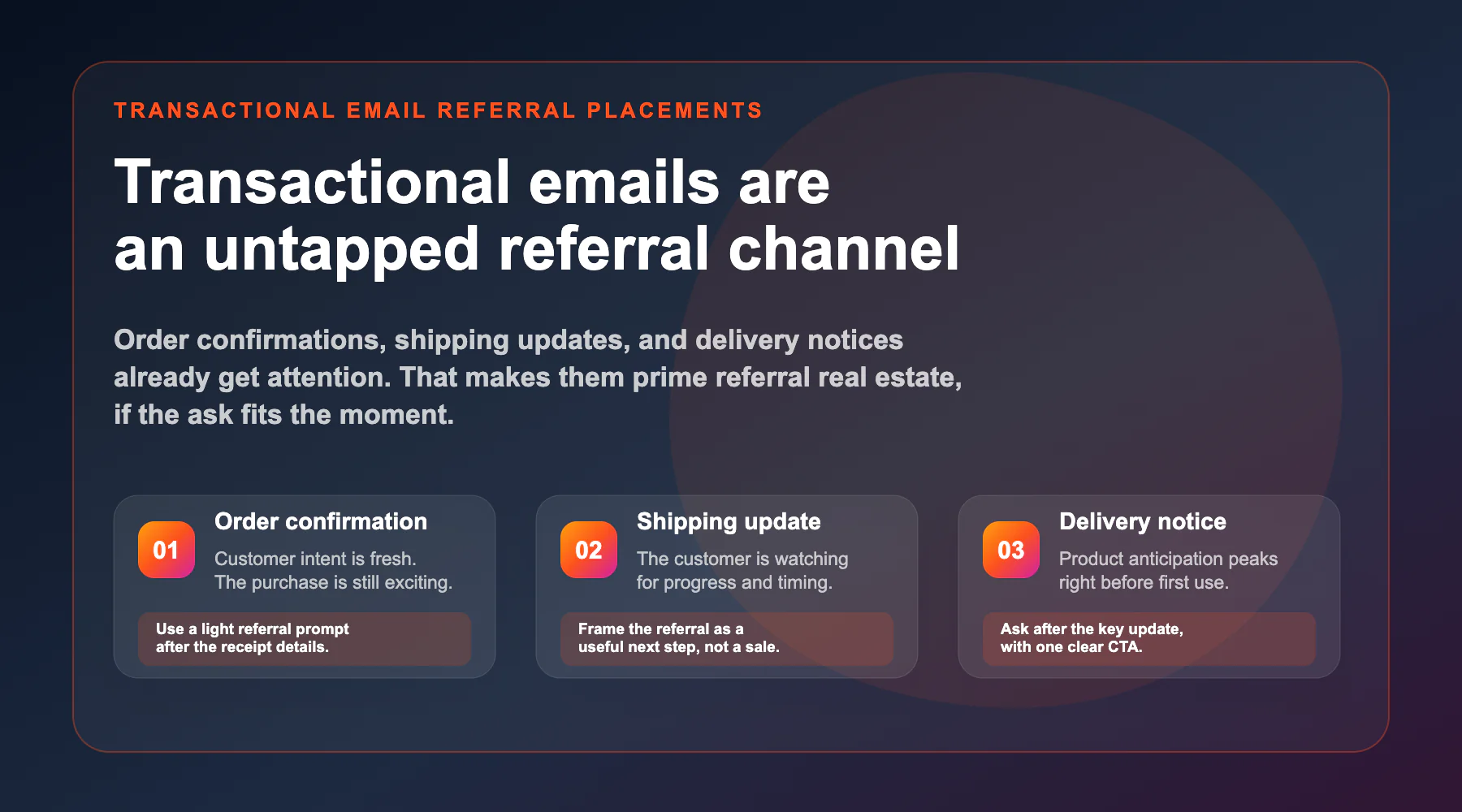
Each one gives you a slightly different angle. Order confirmation lets you catch immediate excitement. Shipping emails hit anticipation. Delivery emails show up right before the product experience starts. Thank you emails give you a little more room for a brand-forward ask.
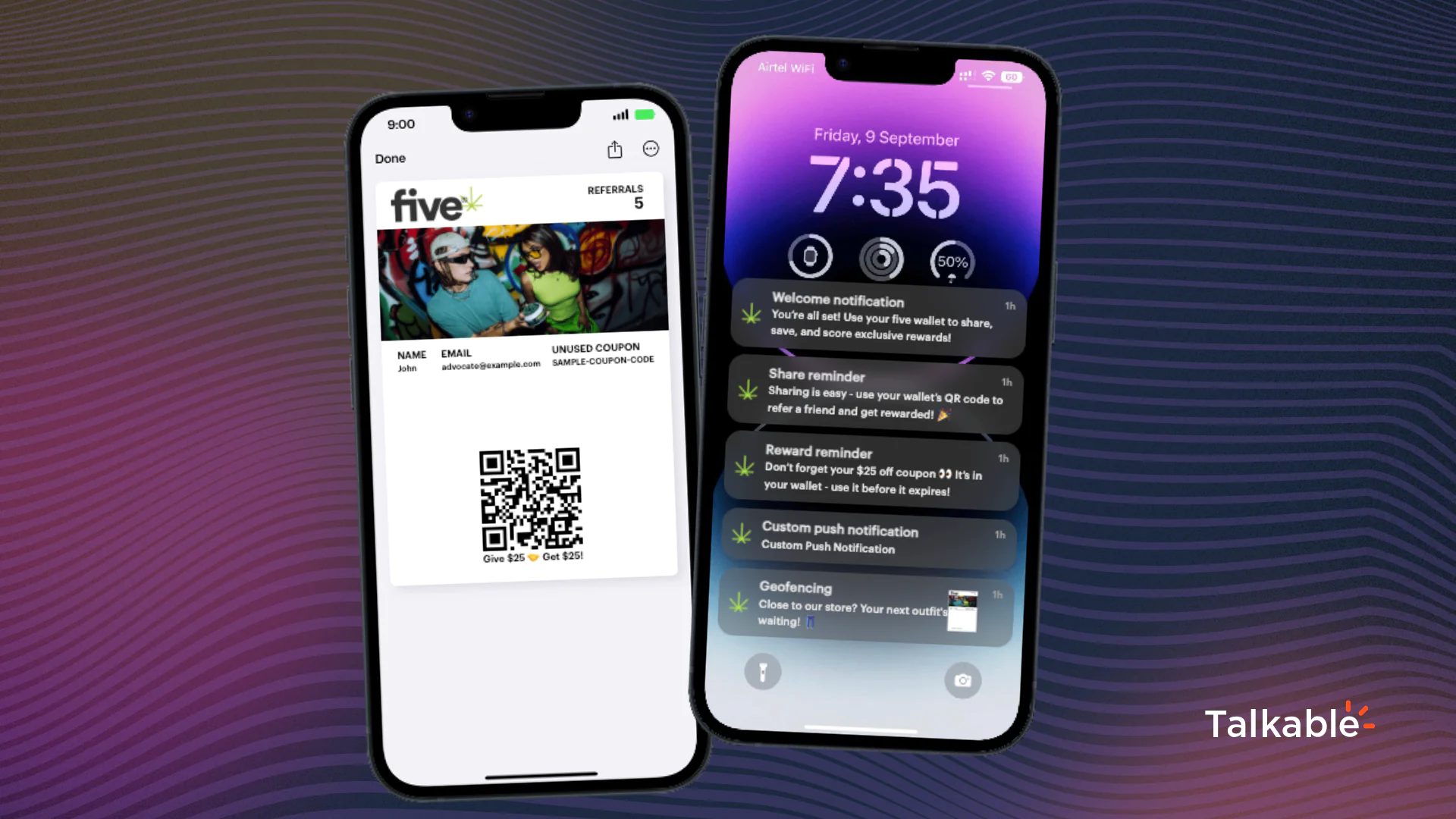
If your program uses a customer wallet or stored offer experience, this also connects nicely to wallet-based incentives. The referral offer does not have to live and die as a static coupon block.
The message should change with the moment
One of the easiest ways to make these placements better is to stop using the exact same referral copy everywhere.
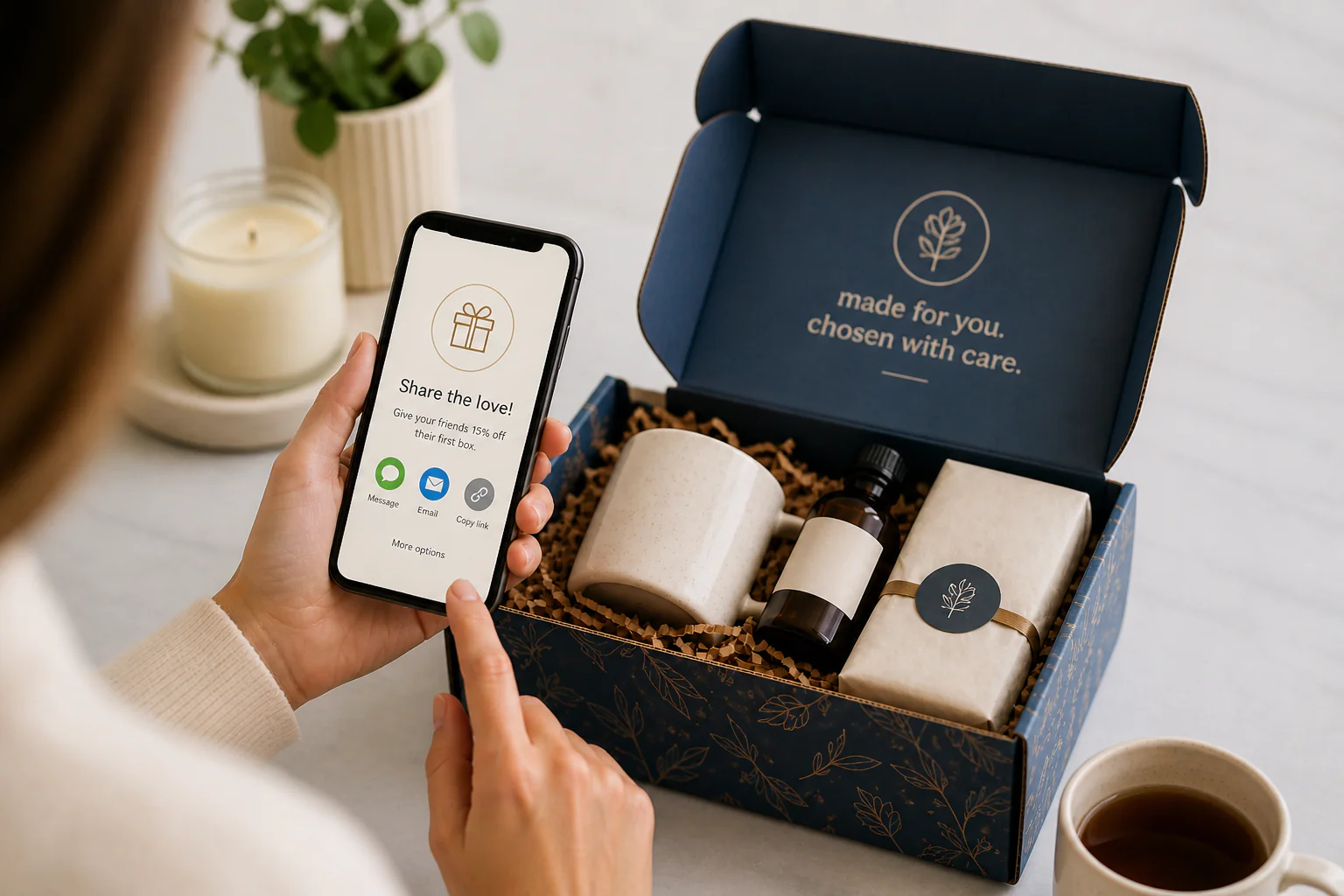
An order confirmation email might say, “Your order is in. Want to give a friend 15% off?”
A shipping email might lean into what is on the way. A delivery email might ask after the product arrives. A thank you email might frame the referral around appreciation.
Same program. Better timing. Better fit.
Why this matters right now
Customer acquisition keeps getting more expensive. Shopify cites research showing average customer acquisition cost rose from $13 in 2013 to $29 in 2022. That is a 222% increase.
When CAC is moving like that, owned attention gets more valuable. Transactional email is owned attention. Referral is earned distribution. Putting the two together is not a hack. It is just good channel math.
You already have the sends. You already have the audience. You already have the engagement. In a lot of cases, adding referral exposure here is not a budget problem. It is a prioritization problem.
If I were looking for a fast referral lift without adding another campaign to the calendar, transactional email would be one of the first places I would test.
QA checklist
Before you add referral to transactional emails
- Keep required transactional content first.
- Add the referral block below the core order or shipping details.
- Use one CTA, not multiple competing asks.
- Segment the offer where customer value or purchase type differs.
- Track results by email type, not just total referral revenue.
- Review fraud and reward liability before scaling the placement.
Bottom line
If your referral program only appears in standalone campaigns, you are probably leaving easy wins on the table.
Transactional emails are not just operational messages. They are high-attention moments inside the customer journey. Smart brands treat them that way.
Talkable can help brands test these placements without turning transactional email into discount soup. That is the whole point: keep the customer experience clean, then let referral do more work in the places customers already pay attention.